

Endometriosis Guide
Endometriosis is a chronic condition that significantly impacts women’s health. It occurs when tissue similar to the uterine lining grows outside the uterus, causing pain, inflammation, and sometimes infertility. This condition affects approximately 1 in 10 women of reproductive age, making it a widespread but often misunderstood health concern. Early understanding and awareness of endometriosis are vital for timely diagnosis and effective management.
Learn more about women’s health research and clinical studies.
Understanding Endometriosis
Endometriosis is characterized by the abnormal growth of endometrial-like tissue outside the uterus, often on pelvic organs such as the ovaries, fallopian tubes, and the outer surface of the uterus. These tissue deposits can cause chronic inflammation, scar formation, and adhesions, leading to severe pain and other complications. Despite its prevalence, the exact cause of endometriosis remains unclear, though several factors such as genetics and immune system dysfunction are thought to play a role.
Recognizing the Symptoms
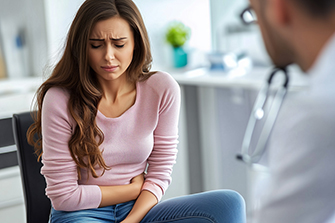
The symptoms of endometriosis vary widely but commonly include:
- Dysmenorrhea: Painful menstrual cramps that may be debilitating.
- Chronic Pelvic Pain: Persistent pain that can occur at any time during the menstrual cycle.
- Infertility: Difficulty conceiving is a common challenge for women with endometriosis.
It is crucial to note that the severity of symptoms does not always correlate with the extent of the disease, highlighting the importance of seeking medical attention if these symptoms occur.
Diagnosing Endometriosis: Challenges and Solutions
Diagnosing endometriosis can be complex and often involves:
- Medical History and Physical Examination: A detailed discussion of symptoms and a pelvic exam to detect abnormalities.
- Imaging Tests: Ultrasound and MRI can help identify cysts and adhesions.
- Laparoscopy: Considered the gold standard for diagnosis, this minimally invasive surgery allows direct visualization of endometrial implants and adhesions.
Misdiagnosis or delayed diagnosis is common, underscoring the need for heightened awareness among patients and healthcare providers.
Exploring Treatment Options for Endometriosis Relief
Treatment for endometriosis focuses on symptom relief and improving quality of life. Available options include:
Pain Management Strategies: Finding What Works for You
Non-steroidal anti-inflammatory drugs (NSAIDs) such as ibuprofen and naproxen are often prescribed to manage pain. Additionally, alternative therapies like acupuncture and pelvic floor physical therapy may provide relief for some women.Hormonal Treatments: Regulating Your Cycle to Reduce Symptoms
Hormonal therapies are a cornerstone of endometriosis management. These include:
- Birth Control Pills: Suppress ovulation and reduce menstrual flow.
- GnRH Agonists: Temporarily induce a menopausal-like state to inhibit estrogen production and slow the growth of endometrial tissue.
Surgical Interventions: Aiming for Long-Term Relief Through Surgery
For women with severe symptoms or fertility issues, surgery may be necessary:
- Laparoscopic Excision vs. Ablation: Excision removes endometrial tissue, while ablation destroys it. The choice depends on individual circumstances and surgeon expertise.
- Hysterectomy in Endometriosis Management: This option is considered when other treatments fail, especially for women not planning future pregnancies.
Fertility Considerations: Navigating Family Planning with Endometriosis
Endometriosis can complicate conception but assisted reproductive technologies like IVF (in vitro fertilization) often offer hope for affected women. Consulting with a fertility specialist is crucial for personalized guidance.
The Importance of Individualized Care Approaches
Every woman’s experience with endometriosis is unique, necessitating personalized treatment plans that may include adolescent care for younger patients or multidisciplinary approaches involving gynecologists, pain specialists, and fertility experts.
Supporting Patients Beyond Medical Interventions
Support groups, educational resources, and patient toolkits play a vital role in empowering women to manage their condition. Emotional support and practical advice can significantly enhance overall well-being.
Explore clinical studies and resources tailored to women’s health.
Frequently Asked Questions
2. Can endometriosis be cured?
There is no cure for endometriosis, but various treatments can effectively manage symptoms and improve quality of life.
3. Is endometriosis hereditary?
Research suggests a genetic component, as women with a family history of endometriosis are at higher risk.
4. How is endometriosis diagnosed?
A combination of medical history, imaging tests, and laparoscopy is used to diagnose endometriosis accurately.
5. Can I get pregnant with endometriosis?
Yes, though it may be challenging. Assisted reproductive technologies often help women with endometriosis achieve pregnancy.
For more information and support, visit Women’s Health Clinical Studies.








Leave a Reply